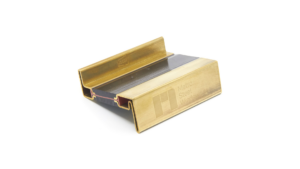
Thermally Broken Steel Windows Explained: Do You Need Them for Your Project?
Understanding thermal performance and selecting the right steel window system
Steel windows have become synonymous with contemporary architecture, appreciated for their slim sightlines, exceptional strength and timeless aesthetic. As Australia’s energy efficiency requirements continue to evolve, thermally broken steel windows have become an increasingly common topic of discussion.
This has led many homeowners, architects and builders to ask the same question:
Do I need thermally broken steel windows?
The answer isn’t always straightforward.
While thermally broken steel windows can improve the thermal performance of a window system, they aren’t essential for every project. In many cases, the desired energy performance can be achieved through the right combination of frame, glazing and overall building design.
Understanding how thermally broken steel windows work and how they fit into the broader picture of building performance is the first step towards selecting the right solution.
What Is a Thermally Broken Steel Window?
Steel naturally conducts heat.
In a conventional steel frame, the internal and external sections of the profile are connected by one continuous piece of steel. This allows heat to transfer through the frame more readily between the inside and outside of the building.
A thermally broken steel window introduces an insulating barrier between these two sections.
This barrier reduces the transfer of heat through the frame while maintaining the strength, durability and remarkably slim sightlines that make architectural steel windows so desirable.
Depending on the project, this can contribute to:
- improved thermal performance
- reduced heat transfer
- reduced risk of internal condensation
- enhanced occupant comfort
- improved energy efficiency
How Does a Thermal Break Work?
A thermally broken profile separates the internal and external steel components using a highly insulating material that interrupts the conductive path through the frame.
Rather than allowing heat to pass directly through the steel, the insulating barrier slows that transfer.
It’s important to remember, however, that the thermal break improves only one part of the overall window system: the frame itself.
The complete window includes the frame, glass, spacers and seals, all of which influence thermal performance.
Thermal Performance Is About the Whole Window
One of the biggest misconceptions surrounding energy-efficient windows is that the frame alone determines performance.
In reality, windows are assessed as complete systems.
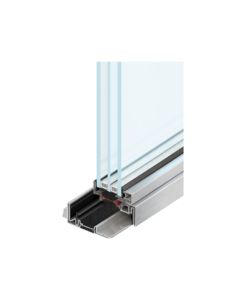 Thermal performance depends on numerous factors working together, including:
- window frame
- glass specification
- low-E coatings
- double or triple glazing
- solar heat gain
- building orientation
- window-to-wall ratio
- external shading
- insulation
- ventilation
Every one of these contributes to how efficiently a building performs throughout the year. This is why selecting the right combination often more important than focusing on a single component in isolation. Each element contributes to the overall performance of the window system and should be considered as part of the broader building design.
Understanding U-Value and SHGC
When discussing energy-efficient windows, two measurements are particularly important.
U-value
The U-value measures how readily heat passes through the entire window system.
This includes:
- the frame
- the glass
- the spacers
- the seals
A lower U-value indicates better insulation and less heat transfer.
Solar Heat Gain Coefficient (SHGC)
SHGC measures how much of the sun’s radiant heat passes through the complete window into the building.
Lower SHGC values reduce unwanted solar heat gain.
Higher SHGC values allow more passive solar warmth into the building.
The ideal SHGC depends entirely on the project’s orientation, climate and energy strategy.
When Might a Thermally Broken Steel Window Be Appropriate?
A thermally broken steel window may be appropriate when:
- higher levels of energy efficiency are required
- the project is located in cooler climates
- condensation control is important
- specific thermal performance targets have been established by the project’s energy assessment
However, these aren’t the only factors that determine the appropriate specification.
The glazing, orientation, insulation and broader building envelope all contribute to the final outcome.
Understanding NatHERS
Another common misconception is that thermally broken windows are required to achieve a particular NatHERS rating.
They’re not.
NatHERS evaluates the performance of the entire home.
Its assessment considers:
- glazing
- frame performance
- orientation
- insulation
- air leakage
- shading
- construction methods
- window size and placement
Because all these factors interact, there is no single frame that automatically achieves a particular energy rating.
Some projects may require a thermally broken frame.
Others may meet their performance objectives using a standard steel frame paired with an appropriate glazing specification.
Choosing the Right Steel Window System
Rather than asking,
“Should I choose a thermally broken frame?”
a better question is:
“What combination of frame and glazing best suits my project’s performance requirements?”
Every project is different.
By considering the complete window system and how it interacts with the overall building design, architects, builders and homeowners can select the solution that delivers the right balance of aesthetics, thermal performance, structural capability and budget.
Metro’s Steel Window Systems
Every project has different design and performance requirements. To accommodate these varying needs, Metro Steel Windows offers two European-engineered steel systems, each suited to different applications and performance objectives for Australian projects.
Metro M40 System
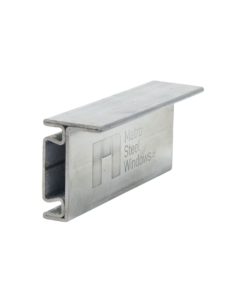
The Metro M40 System combines slim architectural sightlines with exceptional strength and durability. Engineered with a unique internal box section and structural ribbing, the M40 supports expansive glazing while maintaining the clean, minimalist appearance characteristic of with architectural steel windows.
Designed for both internal and external applications, the Metro M40 System is suitable for a wide range of Australian environments, including coastal, inland, industrial, commercial and residential settings. The versatile profile range can be configured as fixed windows, casement windows, awning windows, single and double hinged doors, bi-fold doors, sliding doors and pivot doors.
The M40 System accommodates both single and double glazing and can be specified with a wide range of glazing options, including Low-E, acoustic laminated and solar control glass. When considered as part of the overall window system and building design, the appropriate glazing specification can contribute to achieving the project’s thermal, energy efficiency and acoustic performance objectives.
Secco OS2 75 System
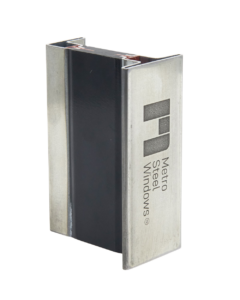
The Secco OS2 75 System is a thermally broken steel window and steel door system designed for projects where enhanced thermal performance is required. It is particularly suited to applications where a thermally broken frame contributes to achieving the project’s thermal performance objectives.
The OS2 75 is characterised by its ultra-slim sightlines and deeper profile, which incorporates an integrated thermal break while retaining the refined aesthetic of architectural steel windows and doors. Like the Metro M40 System, it is suitable for coastal, inland, industrial, commercial and residential environments. However, unlike the M40 System, the OS2 75 accommodates both double and triple glazing and is designed for external applications only.
The Secco OS2 75 System complements the Metro M40 System by providing an alternative for projects where a thermally broken frame is preferred as part of the overall performance strategy. Together, the two systems accommodate a broad range of architectural, structural and performance objectives.
Want to Learn What Really Drives Window Performance?
While both the frame and glazing contribute to a window’s U-value and SHGC, many people are surprised to learn which component typically has the greatest influence on thermal performance.
Read next: The Brutal Truth: Why Glass Matters More Than the Frame to discover why glazing specification is often the most important factor in meeting a project’s energy performance requirements.
Read more news.
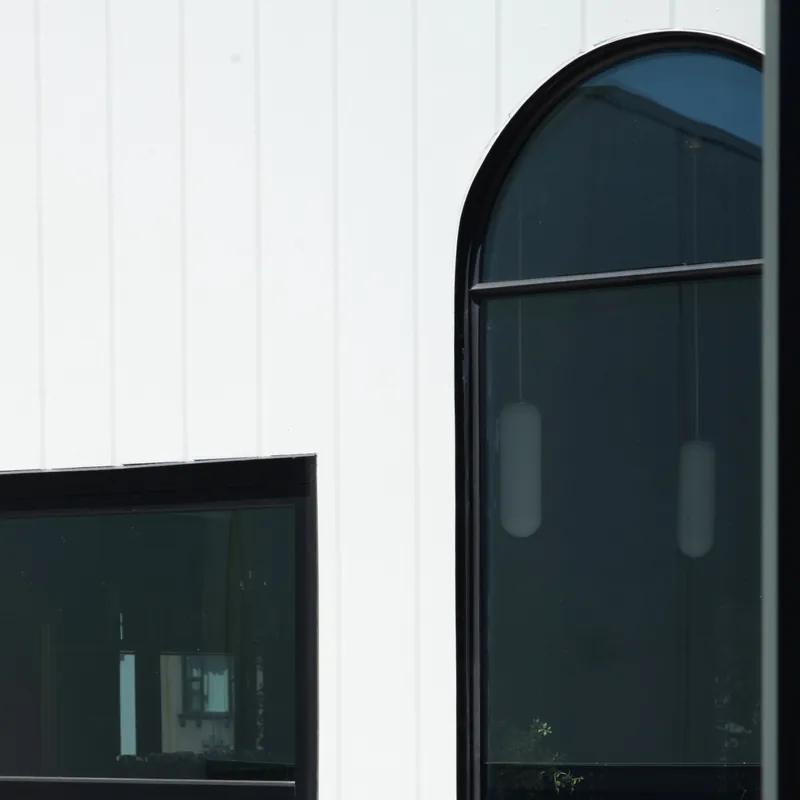
Steel windows are custom windows and doors made from a steel system, glass, seals, hardware and protective finishes.
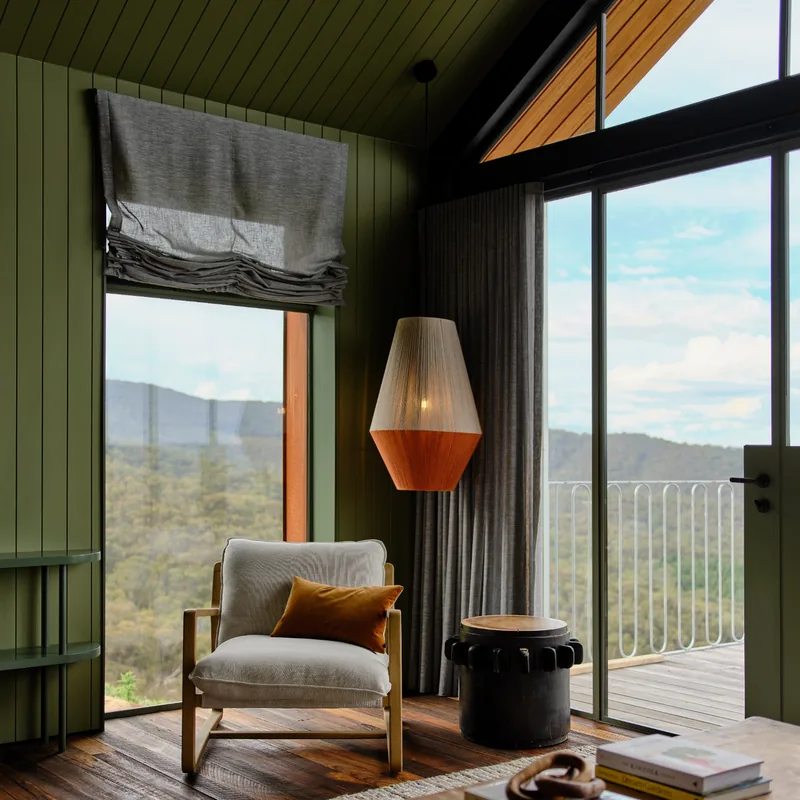
The best window is not the one with the lowest U-value, narrowest frame or cheapest price ..
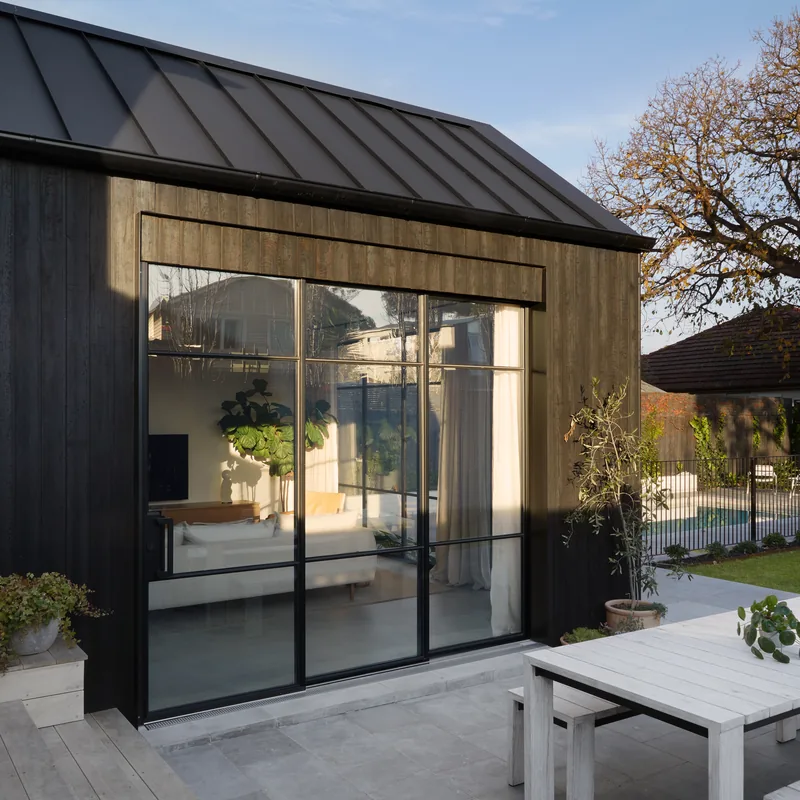
U-value and SHGC measure different things. Comparing steel windows on U-value alone risks the wrong specification. The right choice balances insulation, solar control and glazing.
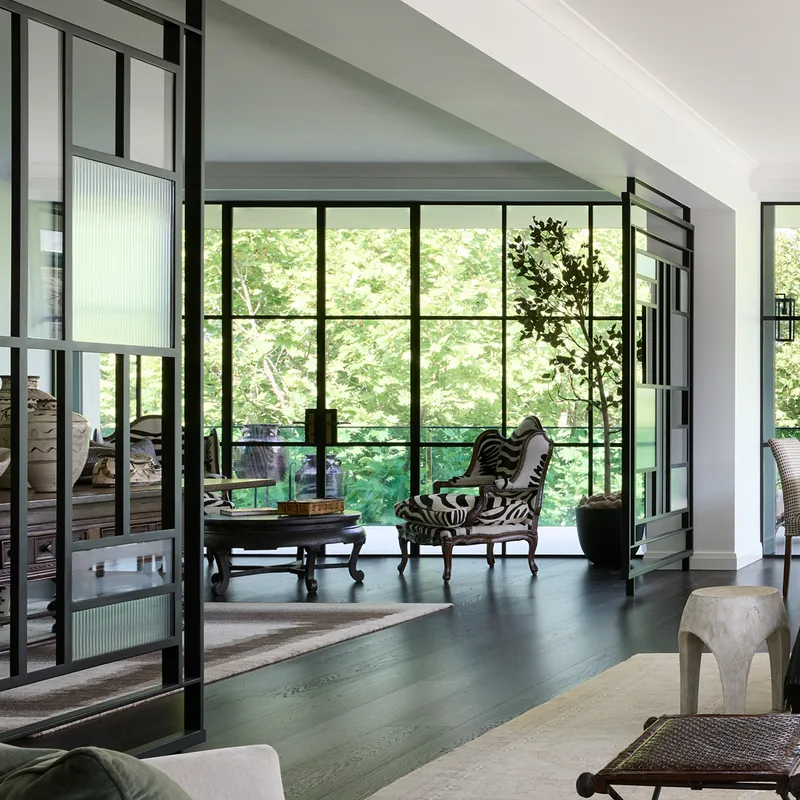
Glazing makes up most of a steel window, so it often has more influence on thermal performance than whether the frame is thermally broken.
Thermally Broken Steel Windows Explained: Do You Need Them for Your Project?
Understanding thermal performance and selecting the right steel window system
Steel windows have become synonymous with contemporary architecture, appreciated for their slim sightlines, exceptional strength and timeless aesthetic. As Australia’s energy efficiency requirements continue to evolve, thermally broken steel windows have become an increasingly common topic of discussion.
This has led many homeowners, architects and builders to ask the same question:
Do I need thermally broken steel windows?
The answer isn’t always straightforward.
While thermally broken steel windows can improve the thermal performance of a window system, they aren’t essential for every project. In many cases, the desired energy performance can be achieved through the right combination of frame, glazing and overall building design.
Understanding how thermally broken steel windows work and how they fit into the broader picture of building performance is the first step towards selecting the right solution.
What Is a Thermally Broken Steel Window?
Steel naturally conducts heat.
In a conventional steel frame, the internal and external sections of the profile are connected by one continuous piece of steel. This allows heat to transfer through the frame more readily between the inside and outside of the building.
A thermally broken steel window introduces an insulating barrier between these two sections.
This barrier reduces the transfer of heat through the frame while maintaining the strength, durability and remarkably slim sightlines that make architectural steel windows so desirable.
Depending on the project, this can contribute to:
- improved thermal performance
- reduced heat transfer
- reduced risk of internal condensation
- enhanced occupant comfort
- improved energy efficiency
How Does a Thermal Break Work?
A thermally broken profile separates the internal and external steel components using a highly insulating material that interrupts the conductive path through the frame.
Rather than allowing heat to pass directly through the steel, the insulating barrier slows that transfer.
It’s important to remember, however, that the thermal break improves only one part of the overall window system: the frame itself.
The complete window includes the frame, glass, spacers and seals, all of which influence thermal performance.
Thermal Performance Is About the Whole Window
One of the biggest misconceptions surrounding energy-efficient windows is that the frame alone determines performance.
In reality, windows are assessed as complete systems.
Thermal performance depends on numerous factors working together, including:
- window frame
- glass specification
- low-E coatings
- double or triple glazing
- solar heat gain
- building orientation
- window-to-wall ratio
- external shading
- insulation
- ventilation
Every one of these contributes to how efficiently a building performs throughout the year. This is why selecting the right combination often more important than focusing on a single component in isolation. Each element contributes to the overall performance of the window system and should be considered as part of the broader building design.
Understanding U-Value and SHGC
When discussing energy-efficient windows, two measurements are particularly important.
U-value
The U-value measures how readily heat passes through the entire window system.
This includes:
- the frame
- the glass
- the spacers
- the seals
A lower U-value indicates better insulation and less heat transfer.
Solar Heat Gain Coefficient (SHGC)
SHGC measures how much of the sun’s radiant heat passes through the complete window into the building.
Lower SHGC values reduce unwanted solar heat gain.
Higher SHGC values allow more passive solar warmth into the building.
The ideal SHGC depends entirely on the project’s orientation, climate and energy strategy.
When Might a Thermally Broken Steel Window Be Appropriate?
A thermally broken steel window may be appropriate when:
- higher levels of energy efficiency are required
- the project is located in cooler climates
- condensation control is important
- specific thermal performance targets have been established by the project’s energy assessment
However, these aren’t the only factors that determine the appropriate specification.
The glazing, orientation, insulation and broader building envelope all contribute to the final outcome.
Understanding NatHERS
Another common misconception is that thermally broken windows are required to achieve a particular NatHERS rating.
They’re not.
NatHERS evaluates the performance of the entire home.
Its assessment considers:
- glazing
- frame performance
- orientation
- insulation
- air leakage
- shading
- construction methods
- window size and placement
Because all these factors interact, there is no single frame that automatically achieves a particular energy rating.
Some projects may require a thermally broken frame.
Others may meet their performance objectives using a standard steel frame paired with an appropriate glazing specification.
Choosing the Right Steel Window System
Rather than asking,
“Should I choose a thermally broken frame?”
a better question is:
“What combination of frame and glazing best suits my project’s performance requirements?”
Every project is different.
By considering the complete window system and how it interacts with the overall building design, architects, builders and homeowners can select the solution that delivers the right balance of aesthetics, thermal performance, structural capability and budget.
Metro’s Steel Window Systems
Every project has different design and performance requirements. To accommodate these varying needs, Metro Steel Windows offers two European-engineered steel systems, each suited to different applications and performance objectives for Australian projects.
Metro M40 System
The Metro M40 System combines slim architectural sightlines with exceptional strength and durability. Engineered with a unique internal box section and structural ribbing, the M40 supports expansive glazing while maintaining the clean, minimalist appearance characteristic of with architectural steel windows.
Designed for both internal and external applications, the Metro M40 System is suitable for a wide range of Australian environments, including coastal, inland, industrial, commercial and residential settings. The versatile profile range can be configured as fixed windows, casement windows, awning windows, single and double hinged doors, bi-fold doors, sliding doors and pivot doors.
The M40 System accommodates both single and double glazing and can be specified with a wide range of glazing options, including Low-E, acoustic laminated and solar control glass. When considered as part of the overall window system and building design, the appropriate glazing specification can contribute to achieving the project’s thermal, energy efficiency and acoustic performance objectives.
Secco OS2 75 System
The Secco OS2 75 System is a thermally broken steel window and steel door system designed for projects where enhanced thermal performance is required. It is particularly suited to applications where a thermally broken frame contributes to achieving the project’s thermal performance objectives.
The OS2 75 is characterised by its ultra-slim sightlines and deeper profile, which incorporates an integrated thermal break while retaining the refined aesthetic of architectural steel windows and doors. Like the Metro M40 System, it is suitable for coastal, inland, industrial, commercial and residential environments. However, unlike the M40 System, the OS2 75 accommodates both double and triple glazing and is designed for external applications only.
The Secco OS2 75 System complements the Metro M40 System by providing an alternative for projects where a thermally broken frame is preferred as part of the overall performance strategy. Together, the two systems accommodate a broad range of architectural, structural and performance objectives.
Want to Learn What Really Drives Window Performance?
While both the frame and glazing contribute to a window’s U-value and SHGC, many people are surprised to learn which component typically has the greatest influence on thermal performance.
Read next: The Brutal Truth: Why Glass Matters More Than the Frame to discover why glazing specification is often the most important factor in meeting a project’s energy performance requirements.