
Stop Comparing U-Values Alone. Here’s What You Should Be Looking At Instead.
Why a U-value without SHGC tells only half the story
If you’re comparing steel windows based only on their U-value, you could be making the wrong specification decision.
U-value is one of the most commonly referenced measures of window performance. It appears in product brochures, energy assessments and glazing schedules, and is often treated as the deciding factor when comparing window systems.
But U-value alone doesn’t tell the complete story.
A window with the lowest U-value isn’t automatically the best-performing choice for every project. Without considering the Solar Heat Gain Coefficient (SHGC), glazing specification, frame design and building conditions, you’re only looking at one part of the equation.
The best-performing steel window system is the one that achieves the right balance between insulation, solar control, aesthetics and overall building performance.
Performance Is More Than One Number
A window is a complete system made up of multiple components working together:
- the frame
- the glazing
- the spacer system
- the seals
- the installation detailing
Each element contributes to the final performance outcome.
The frame itself can also play an important role in thermal performance, particularly when considering whether a thermally broken steel window system is appropriate for a project. Understanding how thermal breaks work and when they may be beneficial is an important part of selecting the right steel window solution.
While performance ratings are important, they need to be considered in context. A window designed for a cold climate with high solar exposure may require a different specification to one designed for a warm climate with strong afternoon sun.
This is why good specification starts with understanding what the building needs, not simply selecting the product with the lowest number on a data sheet.
U-Value: Measuring Heat Transfer
U-value measures how readily heat passes through the complete window system.
A lower U-value indicates better insulation by reducing heat transfer between the inside and outside of the building.
A lower U-value can help to:
- reduce heat loss during winter
- reduce unwanted heat transfer during summer
- improve indoor comfort
- reduce heating and cooling demands
One common misconception is that U-value relates only to the window frame.
It doesn’t.
The U-value applies to the complete window assembly, meaning both the frame and glazing contribute to the final result.
SHGC: The Missing Piece in Many Comparisons
While U-value measures heat transfer, the Solar Heat Gain Coefficient (SHGC) measures how much solar energy passes through the glazing and enters the building.
These two measurements answer different questions.
U-value asks:
How easily does heat move through the window system?
SHGC asks:
How much solar heat enters through the glazing?
A lower SHGC can help reduce unwanted solar heat gain, which may be beneficial in warmer climates or on sun-exposed elevations.
A higher SHGC can allow more passive solar warmth into a building, which may be advantageous in cooler climates where winter solar gain is desirable.
Neither value is automatically better.
The right specification depends on factors such as:
- building orientation
- local climate
- window location
- energy strategy
- glazing selection
The Frame Is Only Part of the Equation
Many steel window comparisons focus heavily on the frame profile. While the frame is important for structural performance, sightlines and thermal characteristics, it represents only part of the overall window area.
In most architectural steel windows, glazing makes up the majority of the surface area. As a result, glass selection often has a significant influence on the complete window system’s thermal performance.
This is why glazing selection should be considered alongside frame design rather than treated as a separate decision. The glass often has a greater influence on overall thermal performance than many people realise.
Changing the glazing specification can substantially affect U-value and SHGC without changing the appearance of the steel frame.
Depending on the project requirements, glazing options may include:
- low-E glass
- double glazing
- triple glazing
- solar control glass
- laminated glass
- gas-filled insulated glass units
Each option affects thermal performance differently, which is why glazing should be considered alongside the frame, not as an afterthought.
Whether specifying the Metro M40 System or the thermally broken Secco OS2 75 System, the glazing selection remains one of the most important factors in achieving the required performance outcome.
The Bigger Question Isn’t the Frame

Good window performance doesn’t begin with choosing a product.
It begins with good specification.
The most successful steel window projects aren’t defined by the lowest U-value, the slimmest profile or the cheapest quote. They are the result of careful consideration between the architect, builder, engineer and window supplier from the earliest stages of design.
In our experience, steel windows rarely fall short during manufacturing.
They fall short when important decisions around glazing, detailing, coordination and installation are made
too late or considered separately.
A window can have excellent performance figures on paper, but still fail to deliver the intended outcome if it hasn’t been correctly specified for the building.
Ask a Better Question
The window industry often encourages comparisons based on individual figures.
We believe there is a better question to ask.
Instead of:
“What’s the U-value?”
“Is it a thermally broken system?”
Ask:
“Has this window system been specified correctly for this project?”
That shift changes the conversation from comparing isolated numbers to understanding how the complete system will perform.
Whether specifying fixed steel windows, casement windows, awning windows, sliding doors, bi-fold doors, pivot doors or hinged steel doors, the goal isn’t simply to achieve the lowest U-value or SHGC.
The goal is selecting the right combination of:
- steel frame system design
- glazing specification
- performance requirements
- facade knowledge and detailing
- project management and manufacturing capabilities
Because a well-performing steel window isn’t defined by one rating.
It’s defined by how the complete window system works together as part of the building and the capabilities of the steel window supplier.
Good specification goes well beyond selecting a frame or glazing. It considers detailing, coordination between trades and how the window system integrates with the overall building design. These decisions are often where the success of a steel window project is determined, and we’ll explore these topics in upcoming articles.
Key Takeaway
Don’t compare steel windows by U-value alone.
U-value and SHGC measure different aspects of performance, and the best outcomes are achieved by specifying the complete window system suited to the project’s design, orientation and energy objectives.
Because selecting the right steel window isn’t about chasing the lowest number on a data sheet.
It’s about asking the right questions from the very beginning.
Read more news.
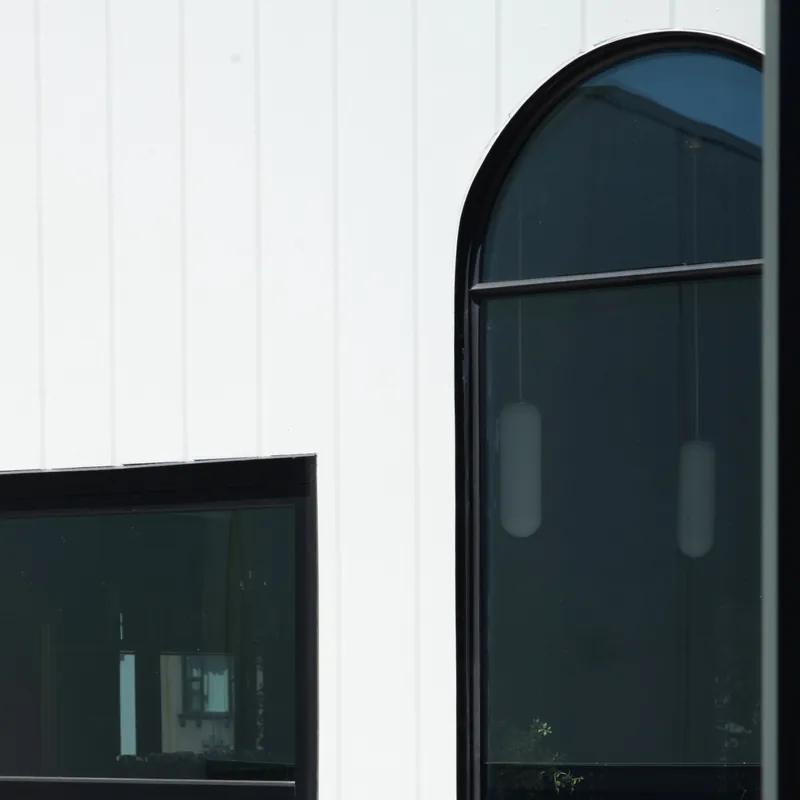
Splinter Society design a robust, contemporary residential addition in poetic juxtaposition to the heritage ...

Cera Stribley managing principal Chris Stribley relies on steel windows as a design solution in a number of ...
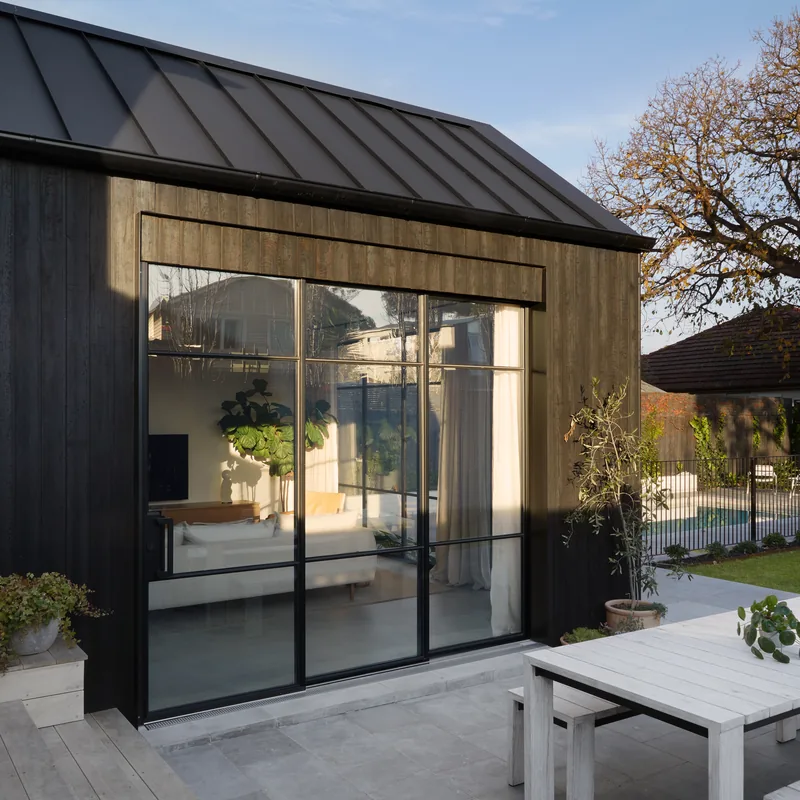
U-value and SHGC measure different things. Comparing steel windows on U-value alone risks the wrong specification. The right choice balances insulation, solar control and glazing.
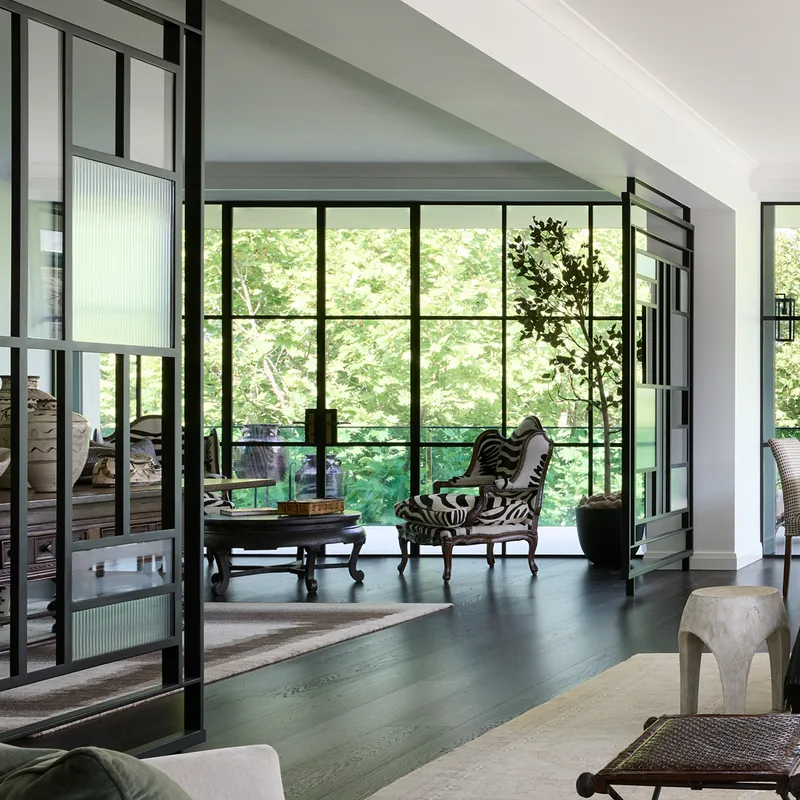
Glazing makes up most of a steel window, so it often has more influence on thermal performance than whether the frame is thermally broken.
Stop Comparing U-Values Alone. Here’s What You Should Be Looking At Instead.
Why a U-value without SHGC tells only half the story
If you’re comparing steel windows based only on their U-value, you could be making the wrong specification decision.
U-value is one of the most commonly referenced measures of window performance. It appears in product brochures, energy assessments and glazing schedules, and is often treated as the deciding factor when comparing window systems.
But U-value alone doesn’t tell the complete story.
A window with the lowest U-value isn’t automatically the best-performing choice for every project. Without considering the Solar Heat Gain Coefficient (SHGC), glazing specification, frame design and building conditions, you’re only looking at one part of the equation.
The best-performing steel window system is the one that achieves the right balance between insulation, solar control, aesthetics and overall building performance.
Performance Is More Than One Number
A window is a complete system made up of multiple components working together:
- the frame
- the glazing
- the spacer system
- the seals
- the installation detailing
Each element contributes to the final performance outcome.
The frame itself can also play an important role in thermal performance, particularly when considering whether a thermally broken steel window system is appropriate for a project. Understanding how thermal breaks work and when they may be beneficial is an important part of selecting the right steel window solution.
While performance ratings are important, they need to be considered in context. A window designed for a cold climate with high solar exposure may require a different specification to one designed for a warm climate with strong afternoon sun.
This is why good specification starts with understanding what the building needs, not simply selecting the product with the lowest number on a data sheet.
U-Value: Measuring Heat Transfer
U-value measures how readily heat passes through the complete window system.
A lower U-value indicates better insulation by reducing heat transfer between the inside and outside of the building.
A lower U-value can help to:
- reduce heat loss during winter
- reduce unwanted heat transfer during summer
- improve indoor comfort
- reduce heating and cooling demands
One common misconception is that U-value relates only to the window frame.
It doesn’t.
The U-value applies to the complete window assembly, meaning both the frame and glazing contribute to the final result.
SHGC: The Missing Piece in Many Comparisons
While U-value measures heat transfer, the Solar Heat Gain Coefficient (SHGC) measures how much solar energy passes through the glazing and enters the building.
These two measurements answer different questions.
U-value asks:
How easily does heat move through the window system?
SHGC asks:
How much solar heat enters through the glazing?
A lower SHGC can help reduce unwanted solar heat gain, which may be beneficial in warmer climates or on sun-exposed elevations.
A higher SHGC can allow more passive solar warmth into a building, which may be advantageous in cooler climates where winter solar gain is desirable.
Neither value is automatically better.
The right specification depends on factors such as:
- building orientation
- local climate
- window location
- energy strategy
- glazing selection
The Frame Is Only Part of the Equation
Many steel window comparisons focus heavily on the frame profile. While the frame is important for structural performance, sightlines and thermal characteristics, it represents only part of the overall window area.
In most architectural steel windows, glazing makes up the majority of the surface area. As a result, glass selection often has a significant influence on the complete window system’s thermal performance.
This is why glazing selection should be considered alongside frame design rather than treated as a separate decision. The glass often has a greater influence on overall thermal performance than many people realise.
Changing the glazing specification can substantially affect U-value and SHGC without changing the appearance of the steel frame.
Depending on the project requirements, glazing options may include:
- low-E glass
- double glazing
- triple glazing
- solar control glass
- laminated glass
- gas-filled insulated glass units
Each option affects thermal performance differently, which is why glazing should be considered alongside the frame, not as an afterthought.
Whether specifying the Metro M40 System or the thermally broken Secco OS2 75 System, the glazing selection remains one of the most important factors in achieving the required performance outcome.
The Bigger Question Isn’t the Frame
Good window performance doesn’t begin with choosing a product.
It begins with good specification.
The most successful steel window projects aren’t defined by the lowest U-value, the slimmest profile or the cheapest quote. They are the result of careful consideration between the architect, builder, engineer and window supplier from the earliest stages of design.
In our experience, steel windows rarely fall short during manufacturing.
They fall short when important decisions around glazing, detailing, coordination and installation are made
too late or considered separately.
A window can have excellent performance figures on paper, but still fail to deliver the intended outcome if it hasn’t been correctly specified for the building.
Ask a Better Question
The window industry often encourages comparisons based on individual figures.
We believe there is a better question to ask.
Instead of:
“What’s the U-value?”
“Is it a thermally broken system?”
Ask:
“Has this window system been specified correctly for this project?”
That shift changes the conversation from comparing isolated numbers to understanding how the complete system will perform.
Whether specifying fixed steel windows, casement windows, awning windows, sliding doors, bi-fold doors, pivot doors or hinged steel doors, the goal isn’t simply to achieve the lowest U-value or SHGC.
The goal is selecting the right combination of:
- steel frame system design
- glazing specification
- performance requirements
- facade knowledge and detailing
- project management and manufacturing capabilities
Because a well-performing steel window isn’t defined by one rating.
It’s defined by how the complete window system works together as part of the building and the capabilities of the steel window supplier.
Good specification goes well beyond selecting a frame or glazing. It considers detailing, coordination between trades and how the window system integrates with the overall building design. These decisions are often where the success of a steel window project is determined, and we’ll explore these topics in upcoming articles.
Key Takeaway
Don’t compare steel windows by U-value alone.
U-value and SHGC measure different aspects of performance, and the best outcomes are achieved by specifying the complete window system suited to the project’s design, orientation and energy objectives.
Because selecting the right steel window isn’t about chasing the lowest number on a data sheet.
It’s about asking the right questions from the very beginning.