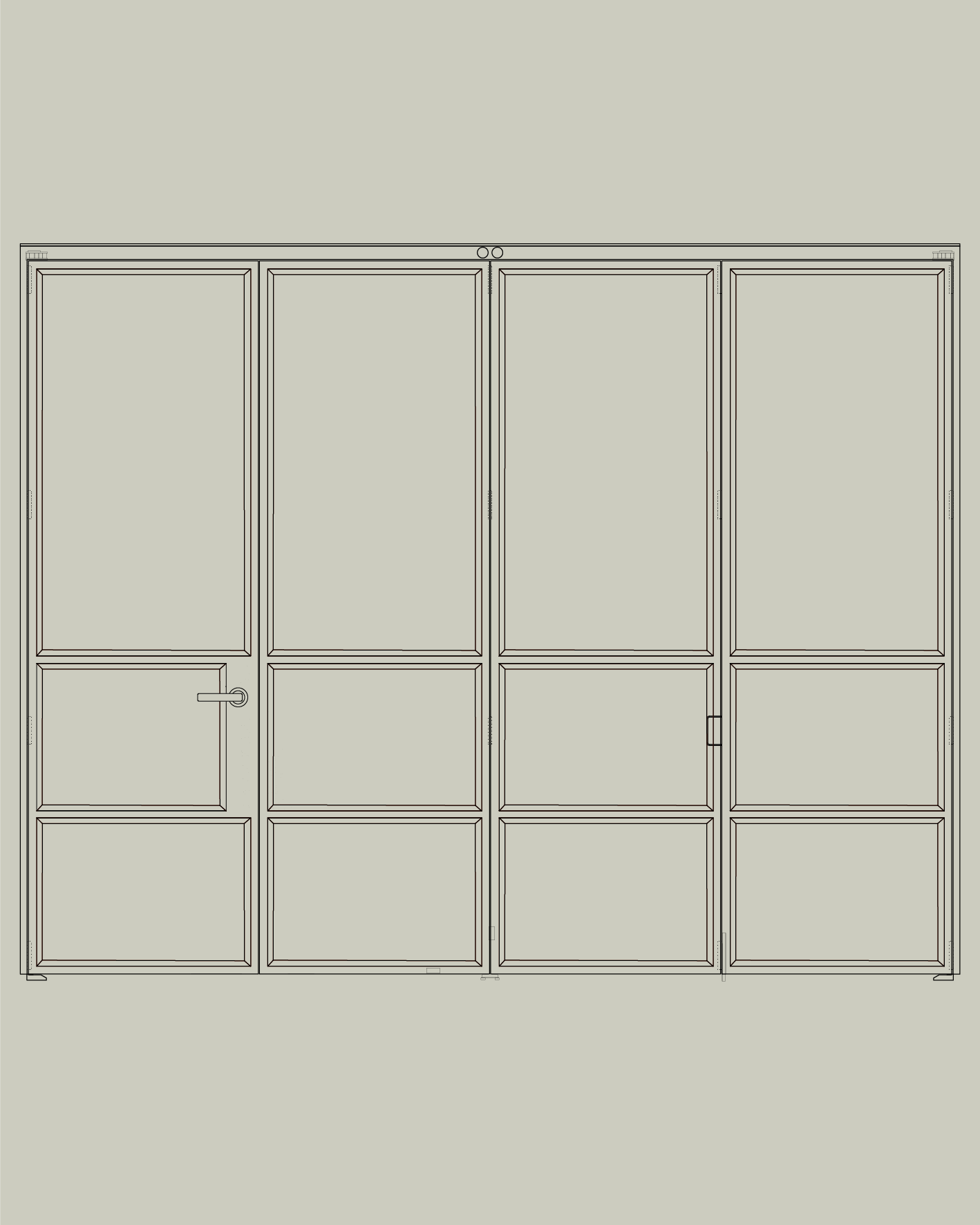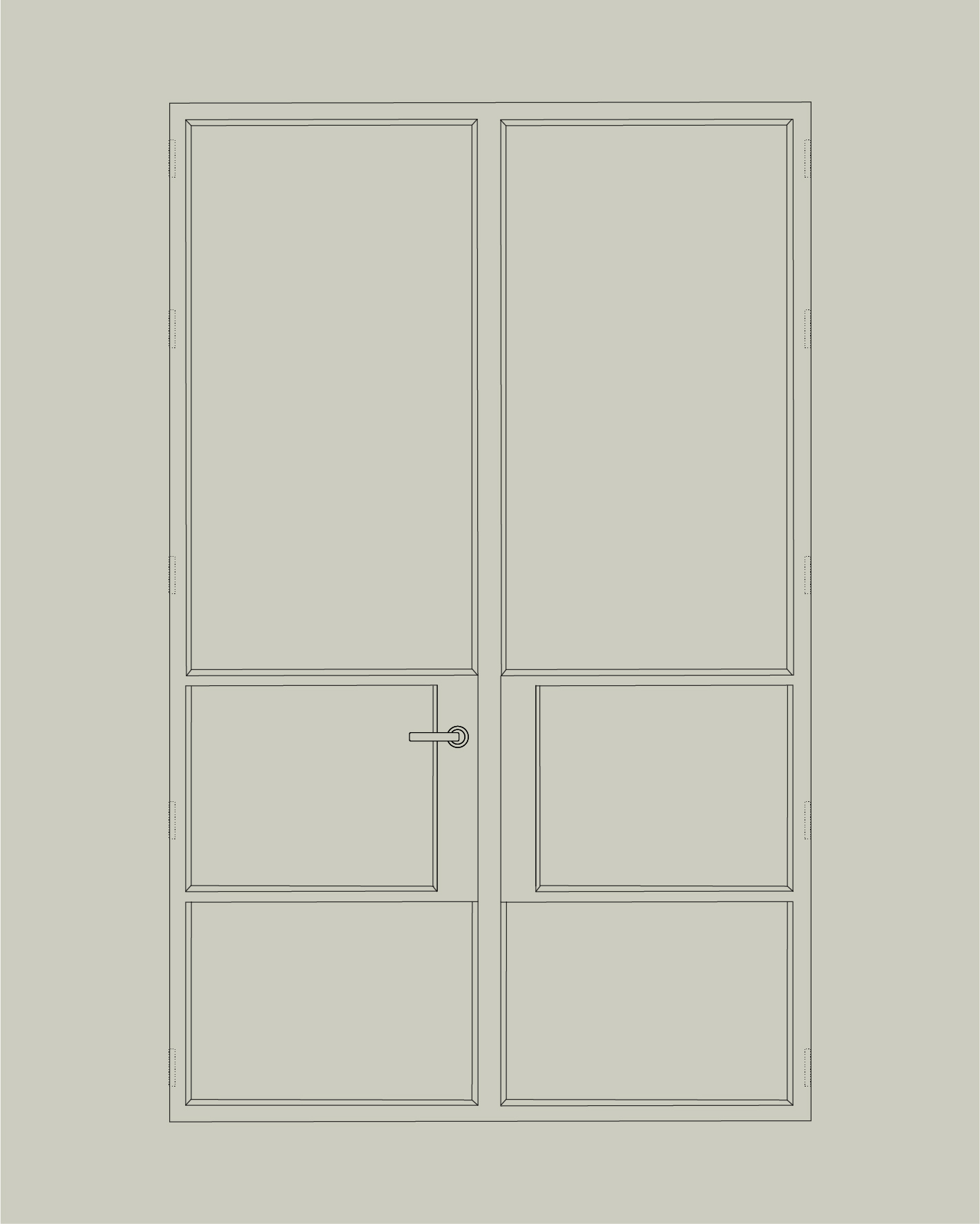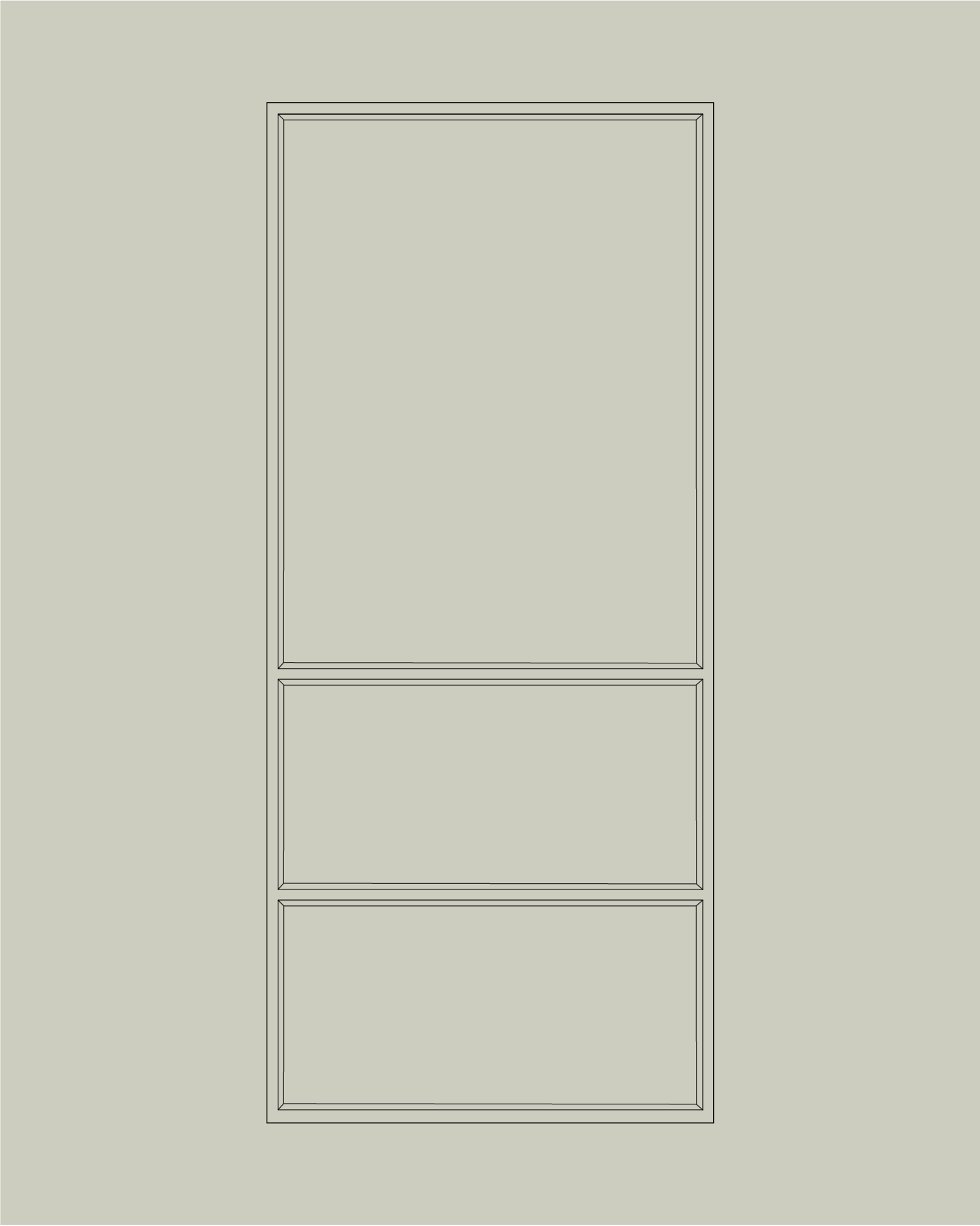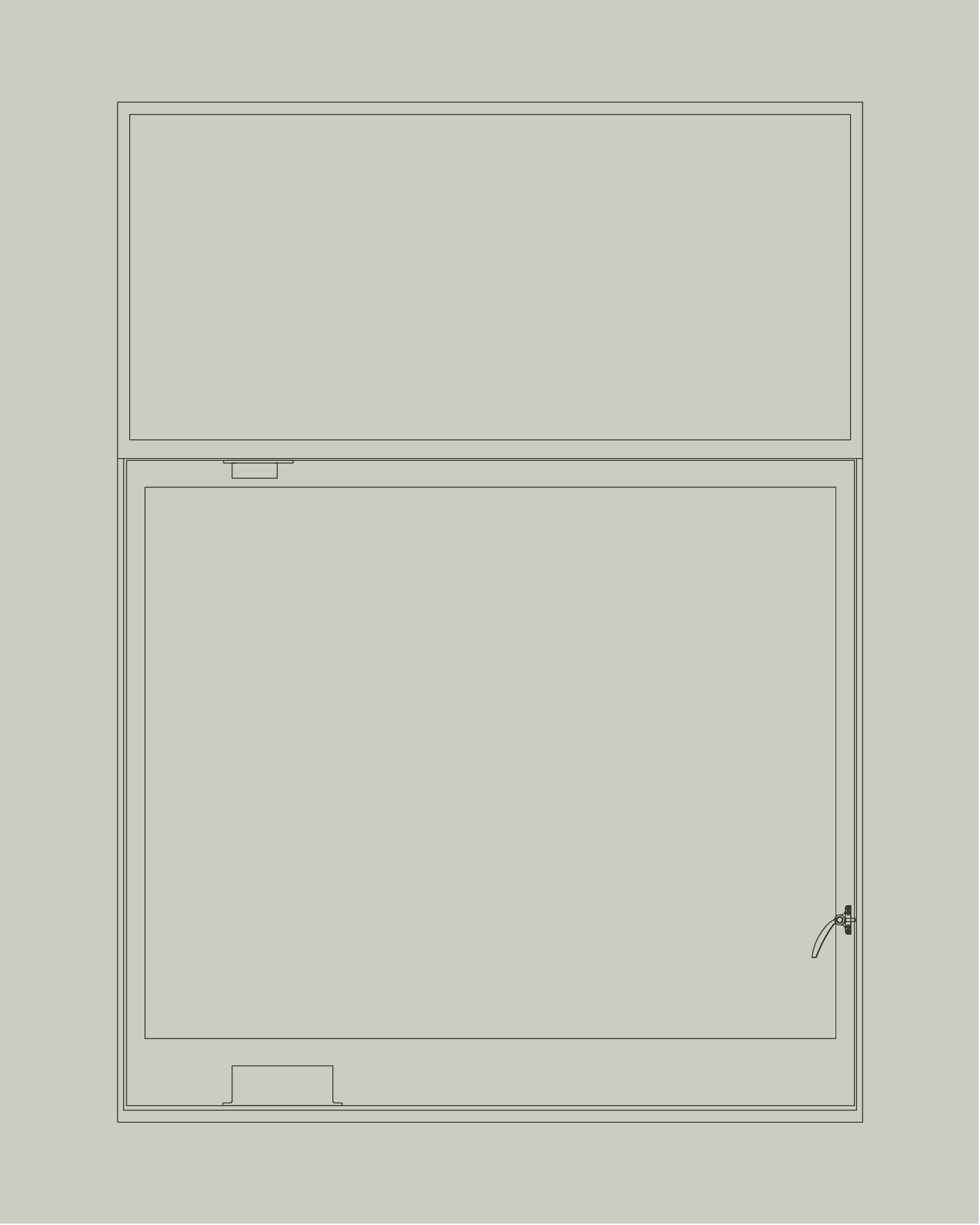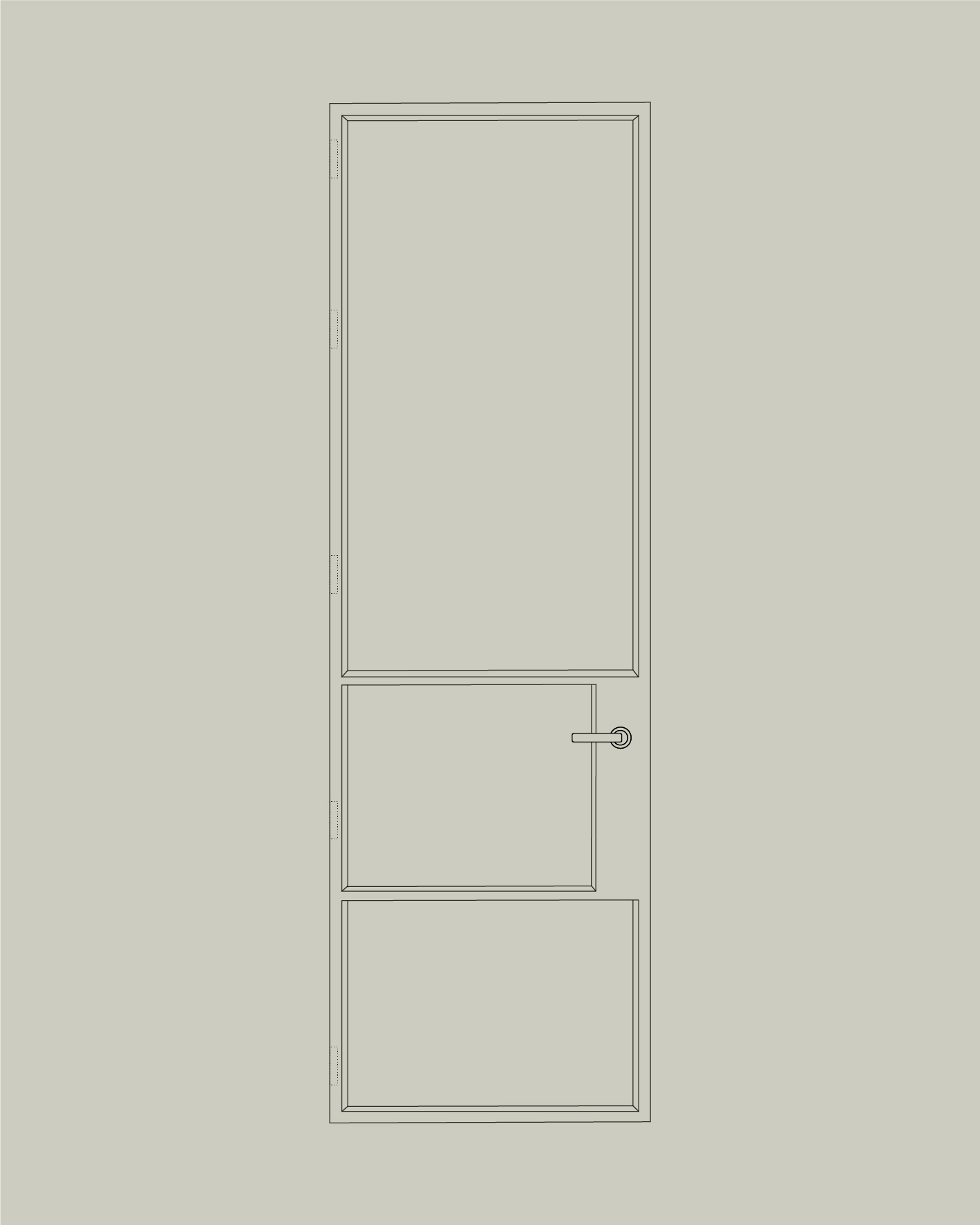
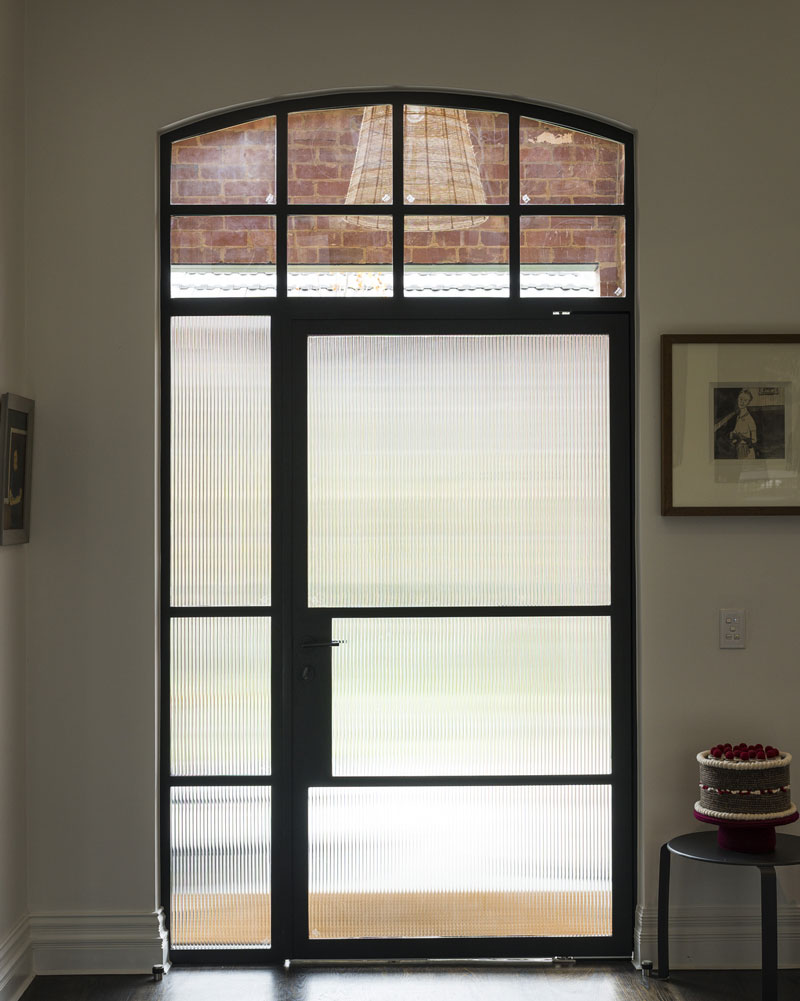
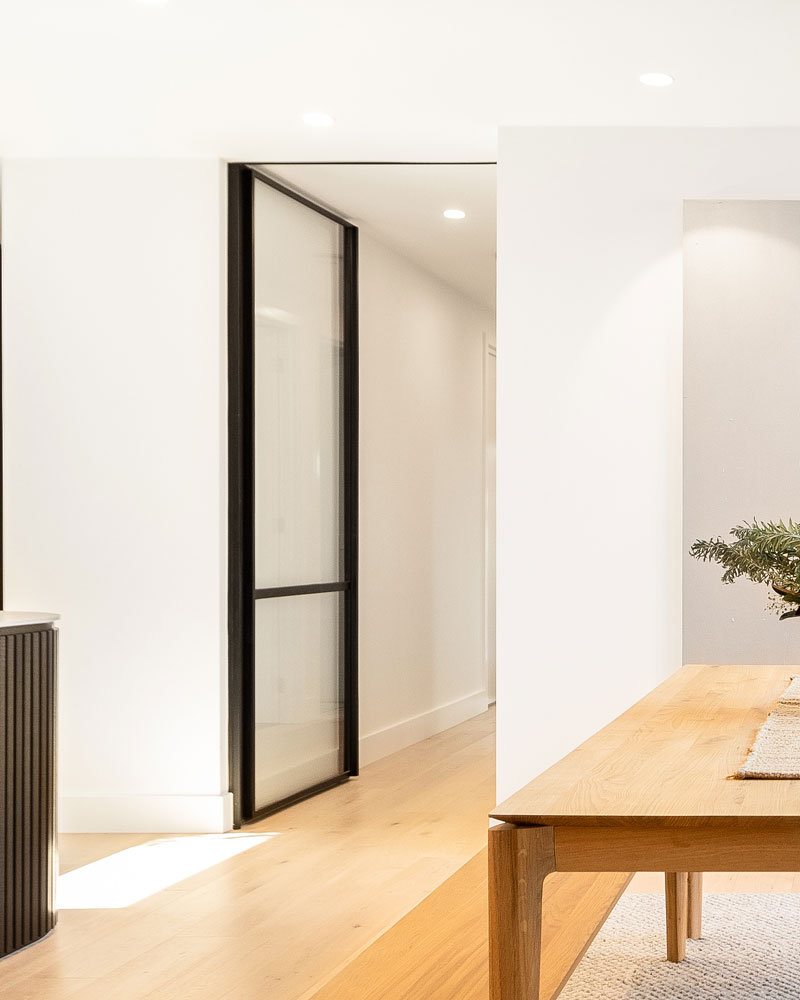
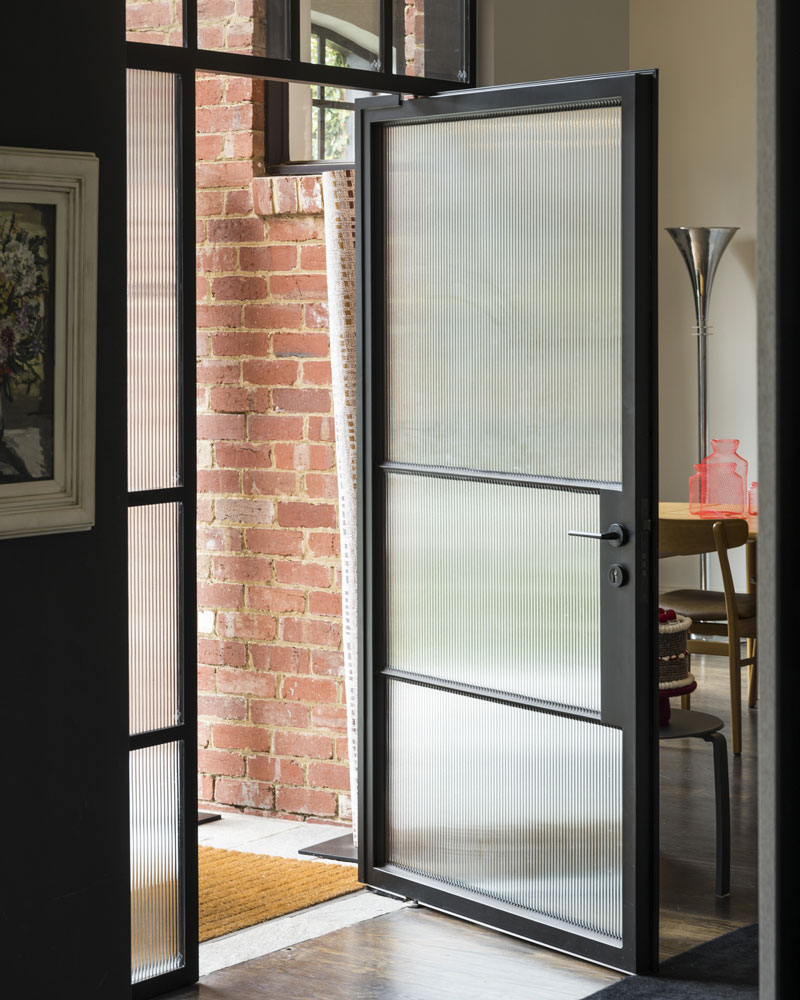
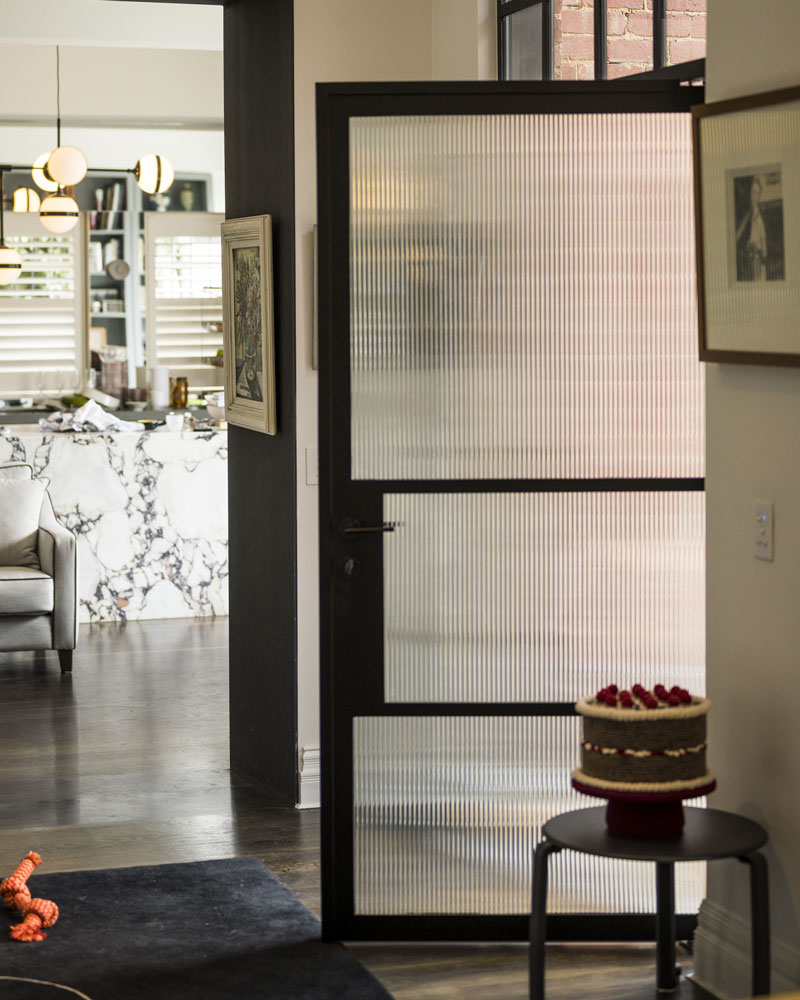
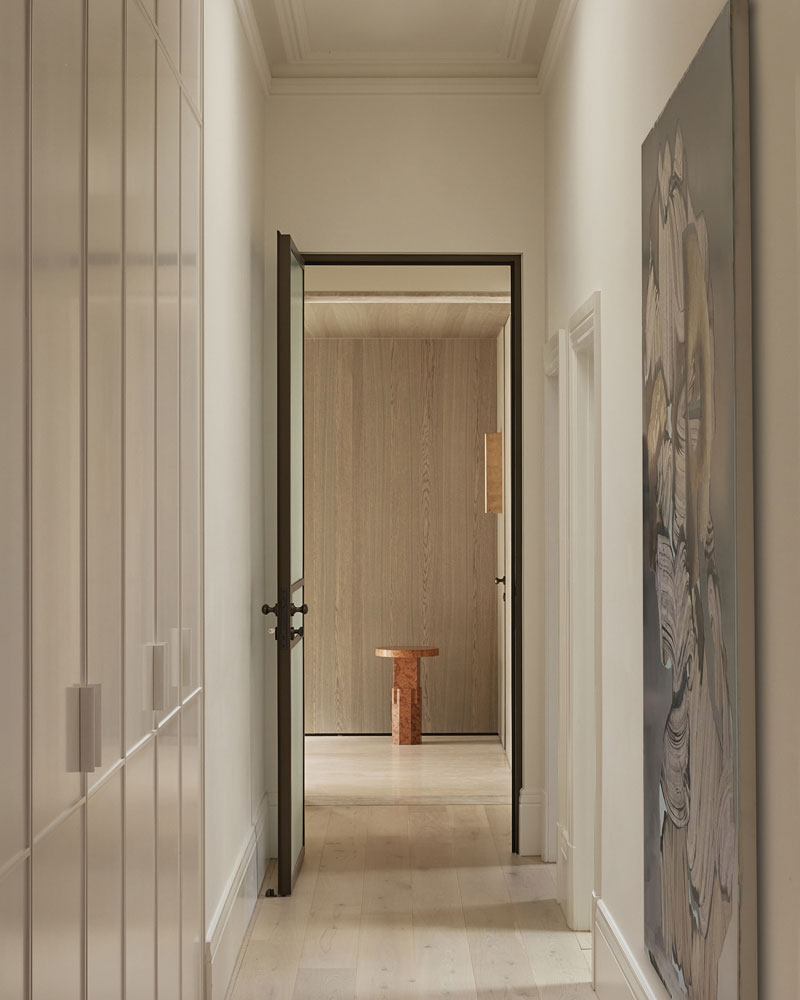
Pivot steel doors.
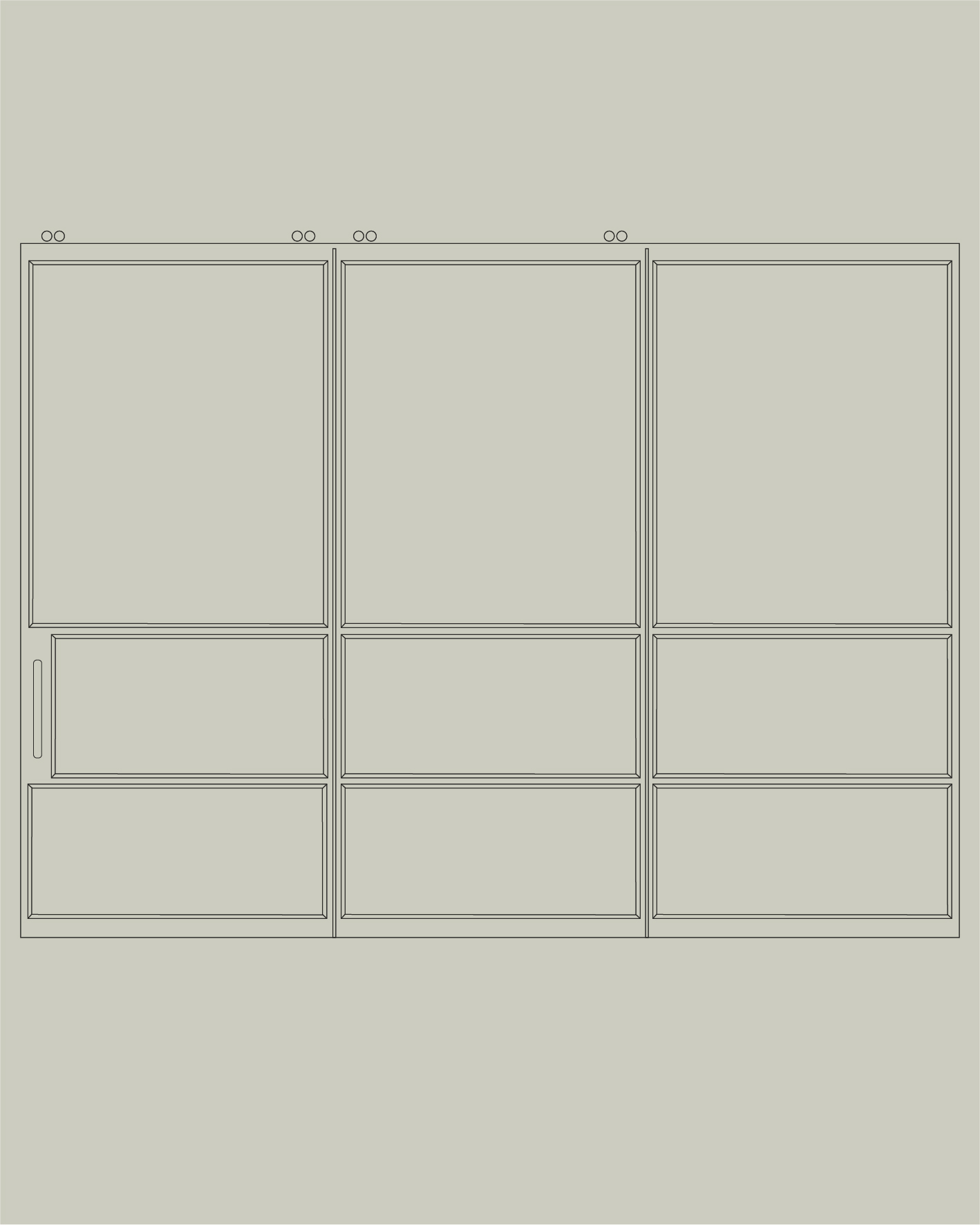
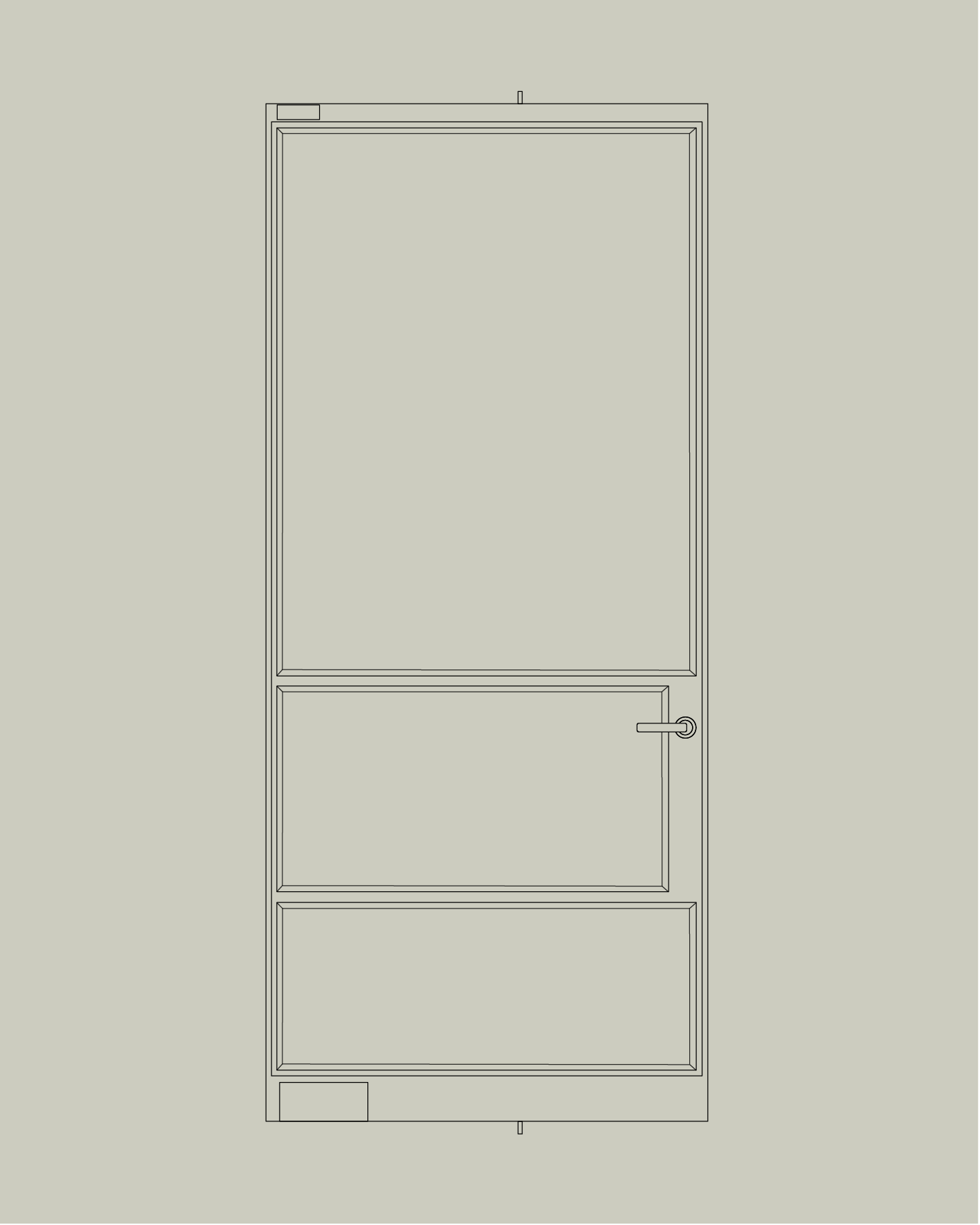
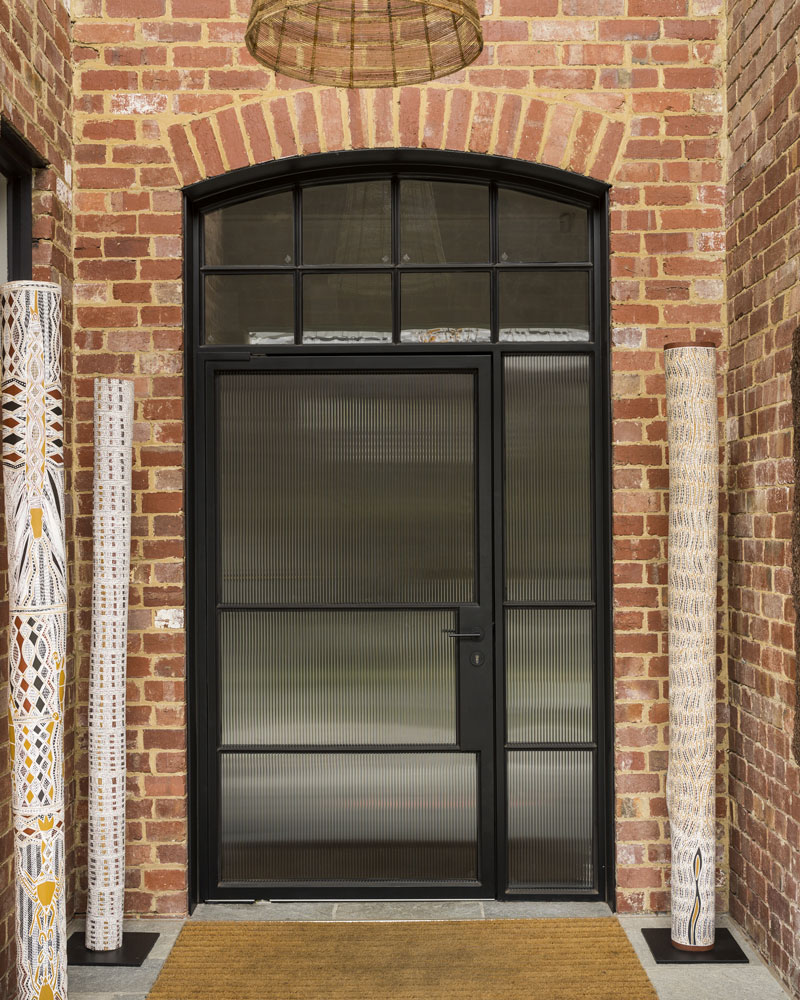
Pivot steel doors are engineered to create architectural impact at scale. Designed for expansive openings and bold entry statements, they accommodate significantly wider door leaf widths than traditional hinged systems while maintaining refined steel sightlines.
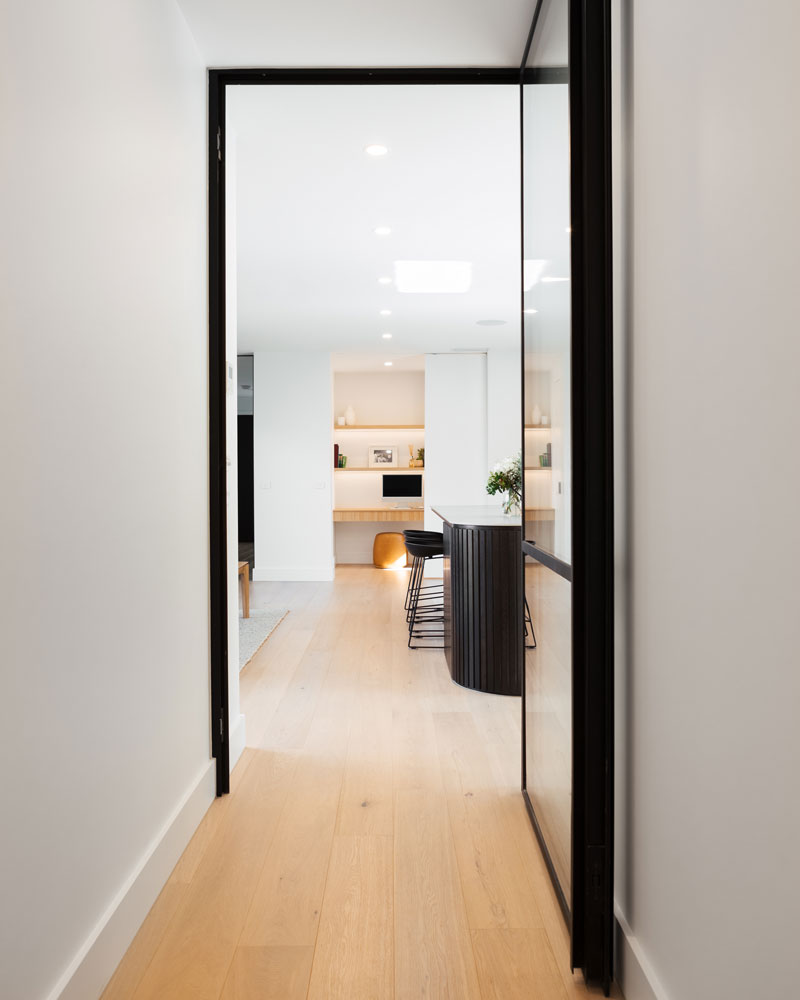
Rotating on a central or offset pivot hinge, these doors distribute weight through a specialised pivot mechanism rather than side hinges. This allows for larger-format door panels with smooth, controlled movement.
Why Choose a Pivot Steel Door?
Pivot doors are commonly selected when:
- A wide-format entry is required
- A statement architectural feature is desired
- Larger glazing panels are specified
- A balanced and controlled opening movement is preferred
Compared to traditional hinged systems, pivot mechanisms provide greater flexibility in door width and visual presence.
If you are considering alternative opening styles, you may also wish to explore Double Steel Doors, Bi-fold Steel Doors, or Sliding Steel Doors.
Maximum Size & Structural Requirements
Steel pivot doors are well suited to expansive openings. Maximum dimensions depend on:
- Door height and width
- Glazing weight
- Pivot hardware capacity
- Structural support at head and floor
Because pivot doors rotate on a bottom and top pivot point, appropriate structural preparation is required at both locations. Early coordination with architects and builders ensures proper integration into the project’s structural design.
Energy Efficiency & Performance
When paired with insulated double glazing or Low-E glass, pivot steel doors can achieve strong thermal and acoustic performance suitable for residential and commercial environments.
Performance outcomes depend on glazing configuration, door size, sealing systems, and installation detailing. Our pivot systems can be specified to align with project-specific performance expectations.
Coastal Durability & Finishes
With appropriate surface treatments and protective finishes, pivot steel doors perform reliably in coastal and high-humidity environments. Powder coating and protective finishing systems support long-term corrosion resistance and durability.